35MM
For much of my later teenage years and early adulthood, I carried a film camera everywhere I went.
Around 2012 - 2013, I became completely obsessed with film photography. Not photography in the contemporary sense — an endless stream of images produced and discarded with almost no friction — but film photography. Digital cameras and smartphones were already commonplace, yet I found myself drawn to a technology that seemed intentionally resistant to convenience.
Film demanded patience. It offered no immediate feedback, no opportunity to review, revise, or retake. You pressed the shutter and continued with your day, uncertain whether you had captured anything at all. Weeks, months (or even years) might pass before the image revealed itself. By then, the memory had often faded into something hazy and unreliable, only to resurface with startling clarity in silver grain and beautiful portra tones.
I spent a good amount of those years peering through the viewfinder of a battered Canon AE-1 and then a Leica M6. Photographs by Abbas, Bruce Davidson, and Robert Capa covered my bedroom walls in those days. One summer, I became so consumed by the craft that I am reasonably confident I watched every YouTube video ever produced on composition, light, and the obscure theology of pushing and pulling film.
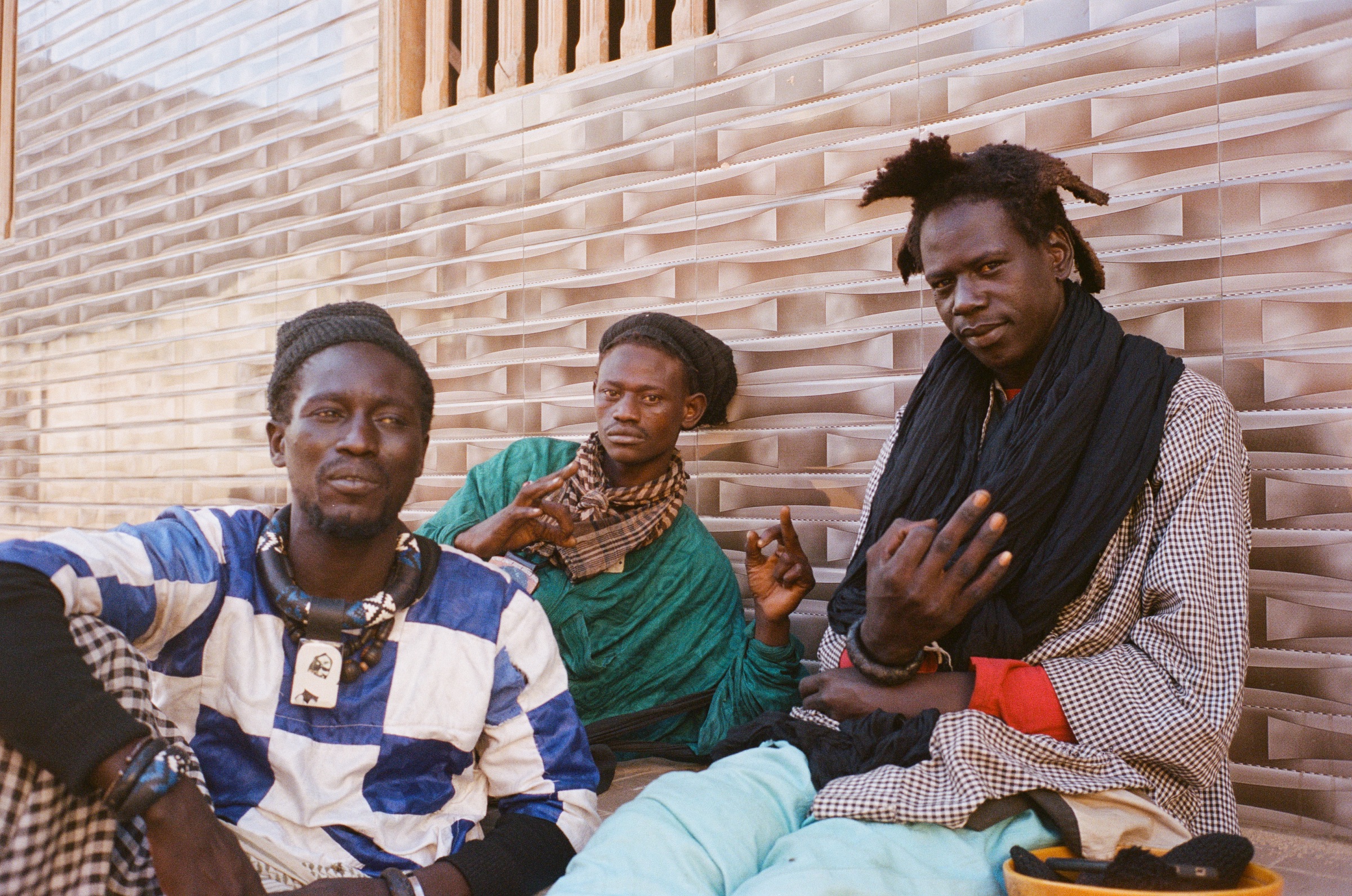
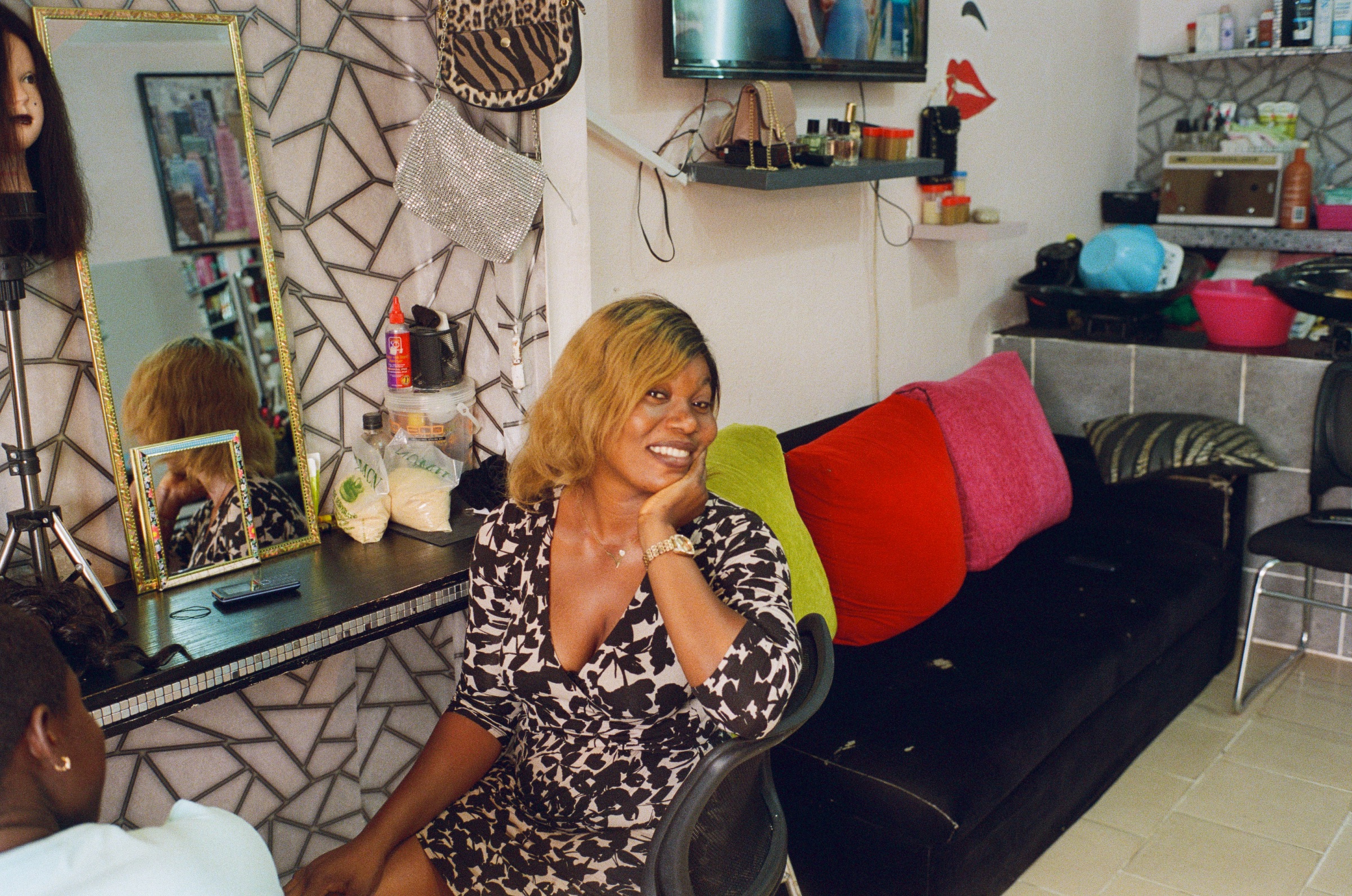
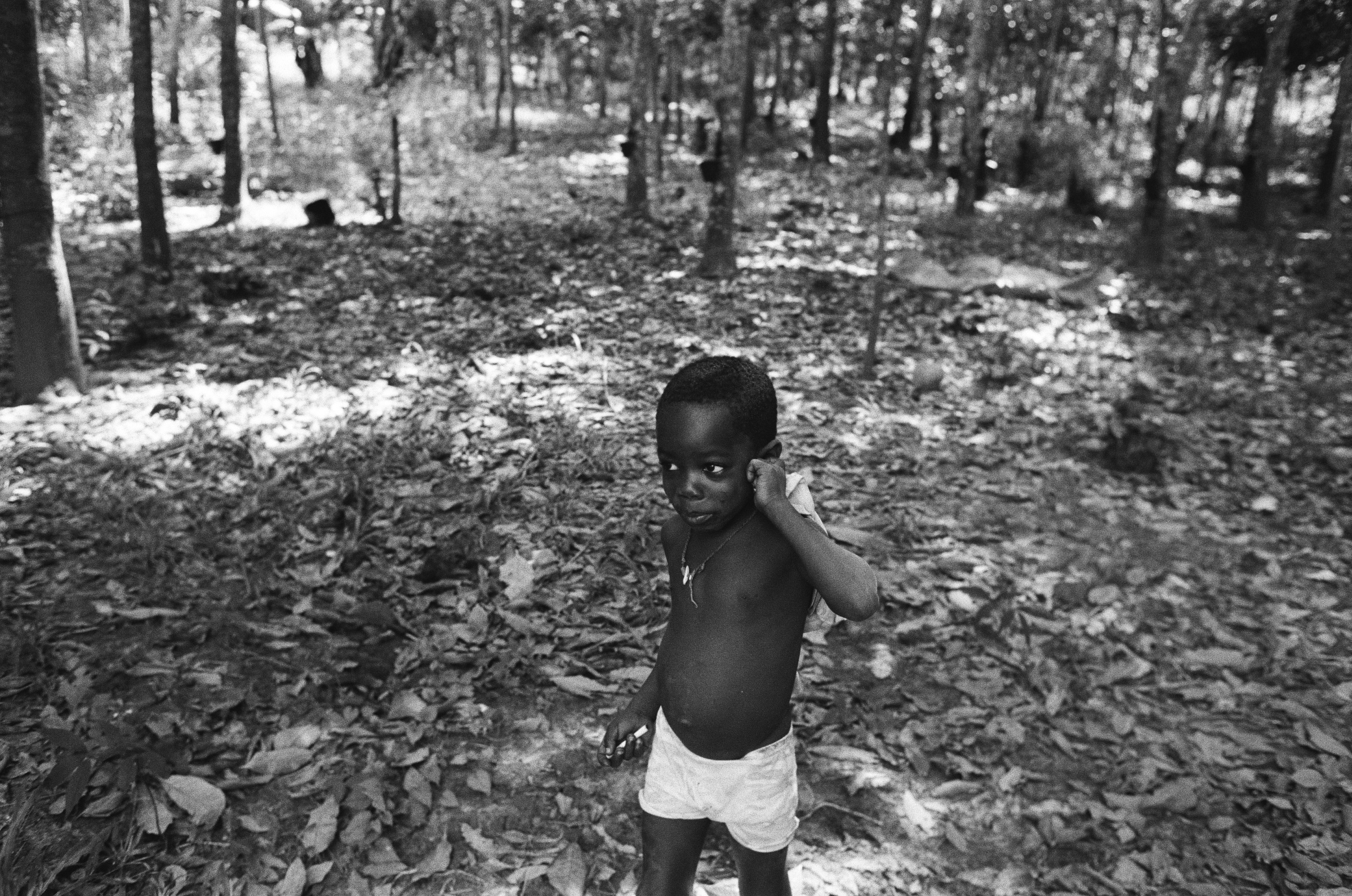
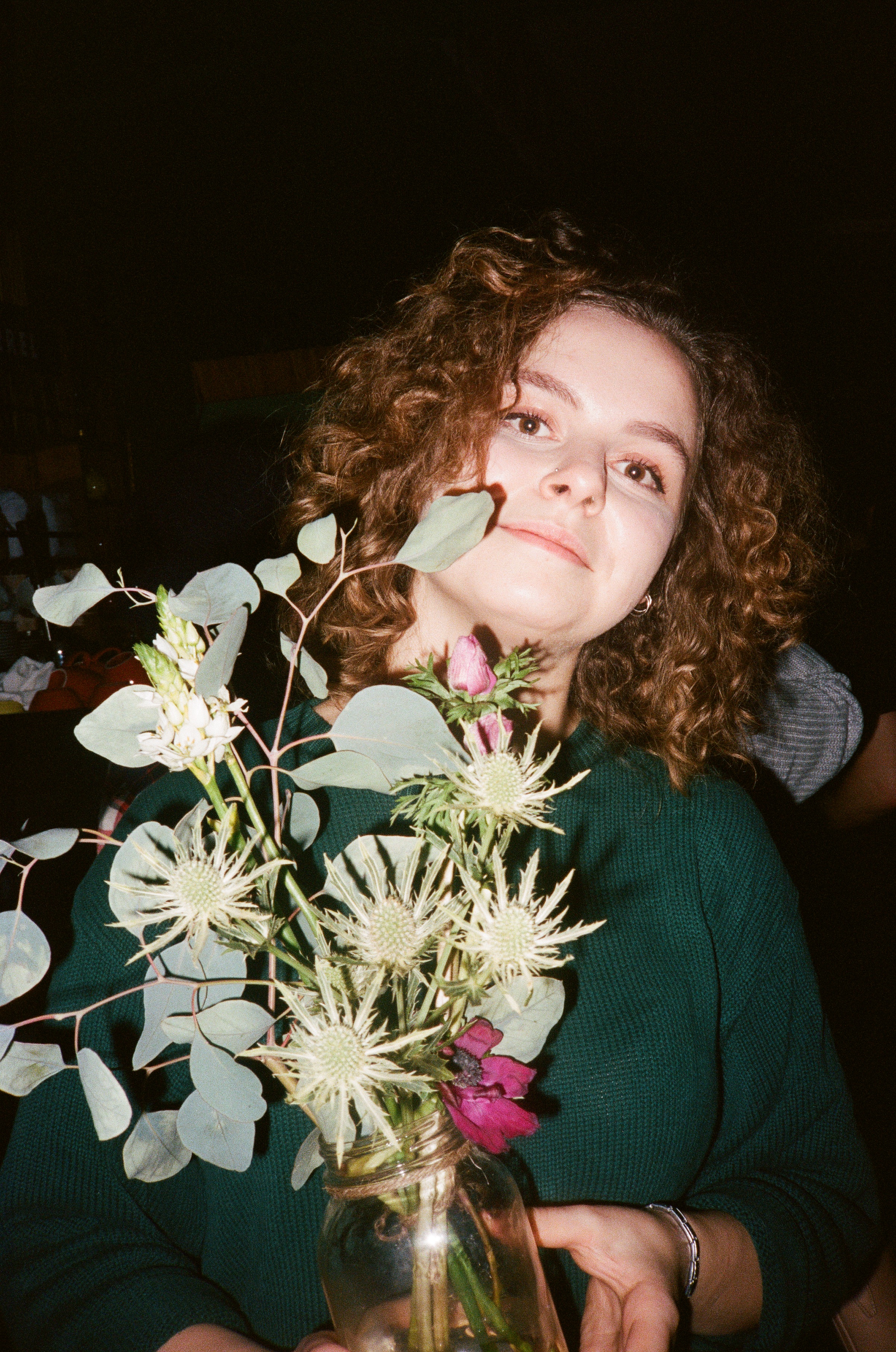
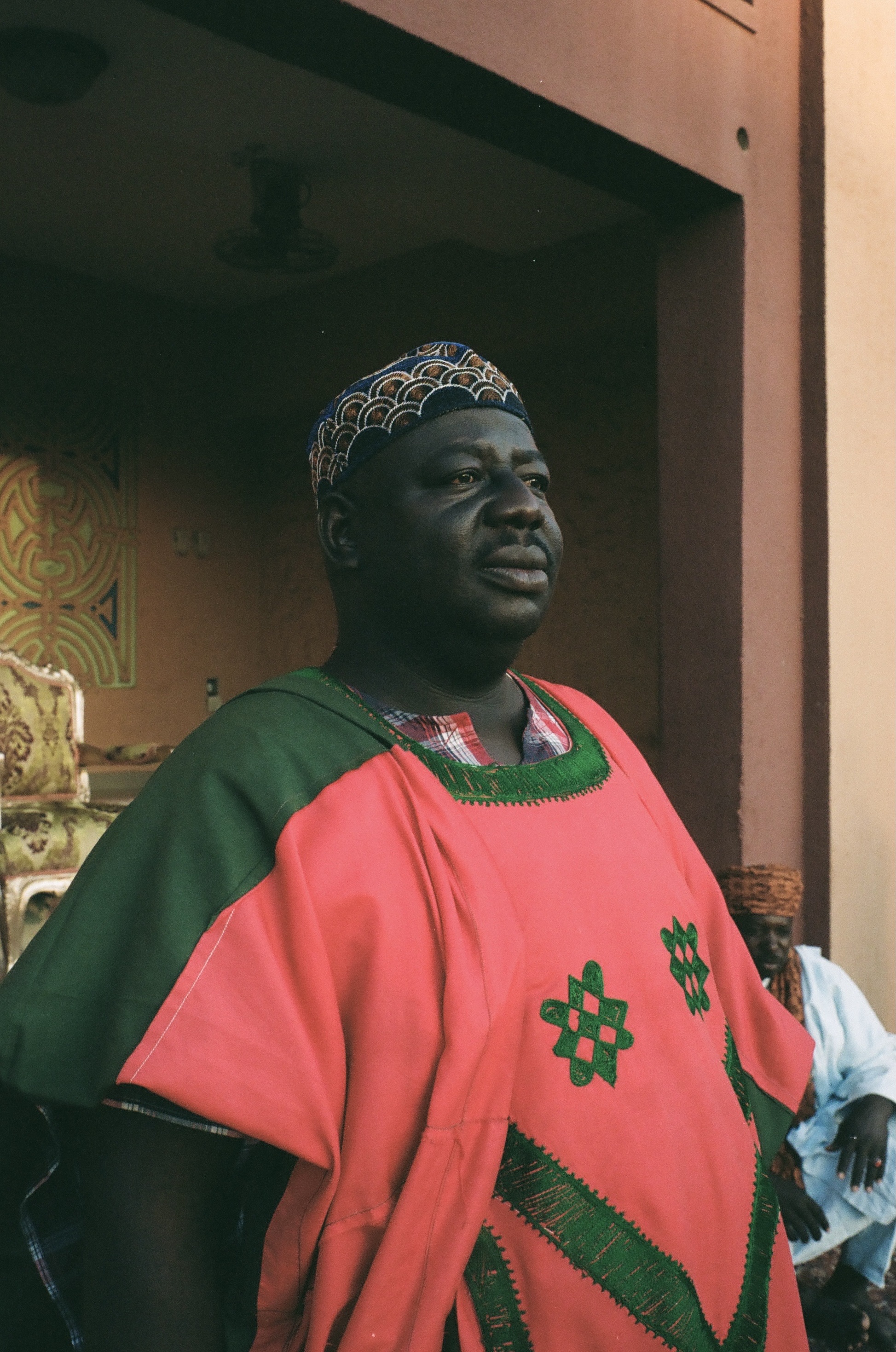
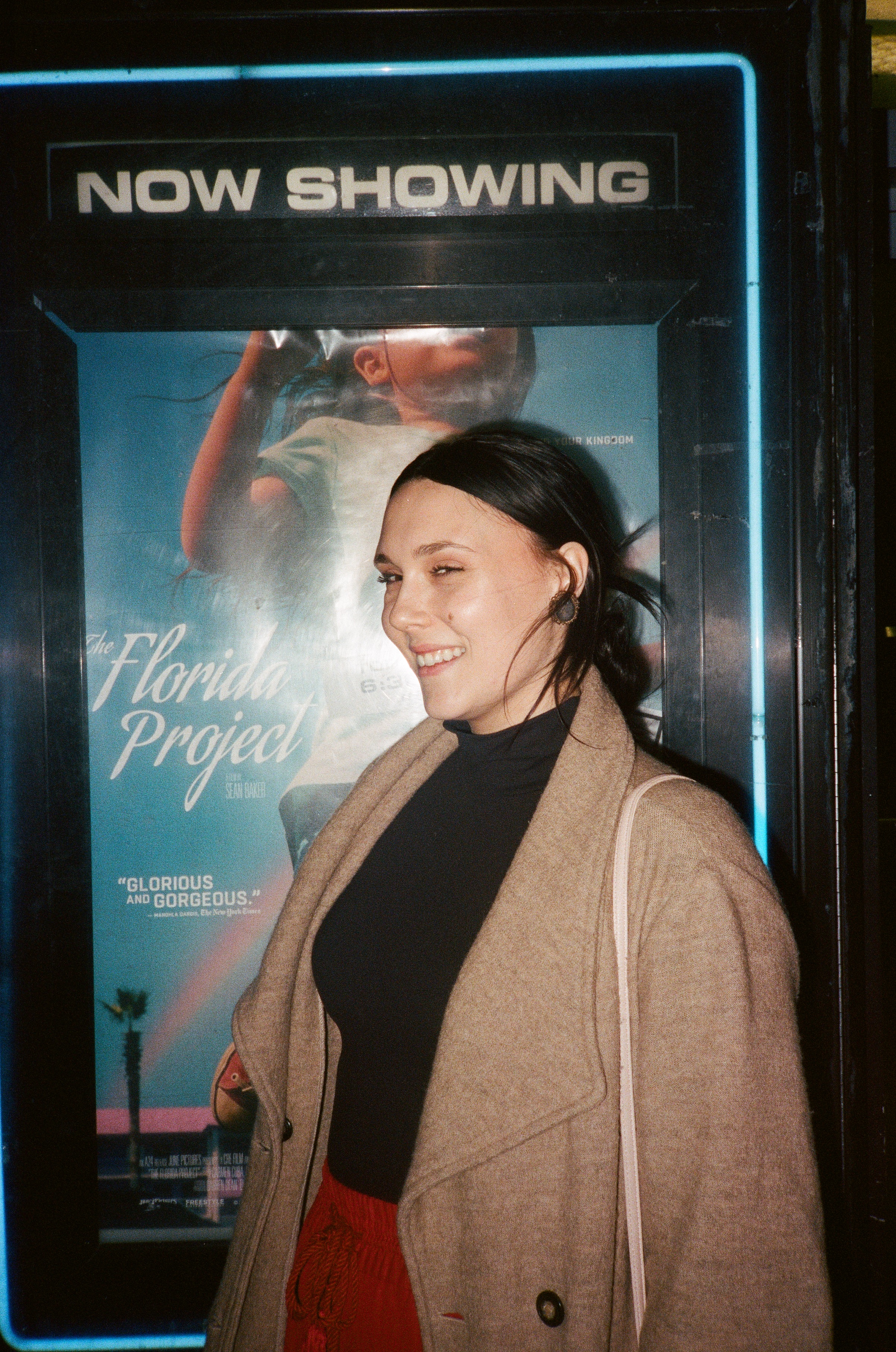
Like many young people discovering an obsession for the first time, I mistook enthusiasm for expertise and between 2017 and 2021, I photographed hundreds of people I would never meet again. At the time, I believed I was documenting them. Looking back, I think I was documenting something else entirely.
What i understand now is; photography gave me permission to interrupt the natural distance between myself and strangers. A camera is a curious social instrument. Pointed in one direction, it creates distance. Pointed in another, it creates intimacy. People who would never tell you their life story in ordinary circumstances will often do so after agreeing to a photograph. Perhaps being seen creates a temporary obligation toward honesty. Or perhaps we are all simply desperate for witnesses.
Whatever the reason, I found myself collecting conversations as often as photographs.
There were brief encounters that lasted only minutes and others that stretched for entire afternoons (or lifetimes). People told me about marriages that had failed, journeys they regretted taking, journeys they regretted not taking. The photographs became proof that the encounter had occurred at all.
Where film fits into all of this is in the negative: in an increasingly digitized world, it becomes a kind of living proof, a physical argument against the doctored image. Not a particularly strong argument, but an argument nonetheless.
Looking back now, I realize that many of the photographs themselves are unremarkable. Some are poorly composed. Others are technically flawed. A few are probably only meaningful to me. But that was never really the point. What I was preserving was not the image. It was the encounter.
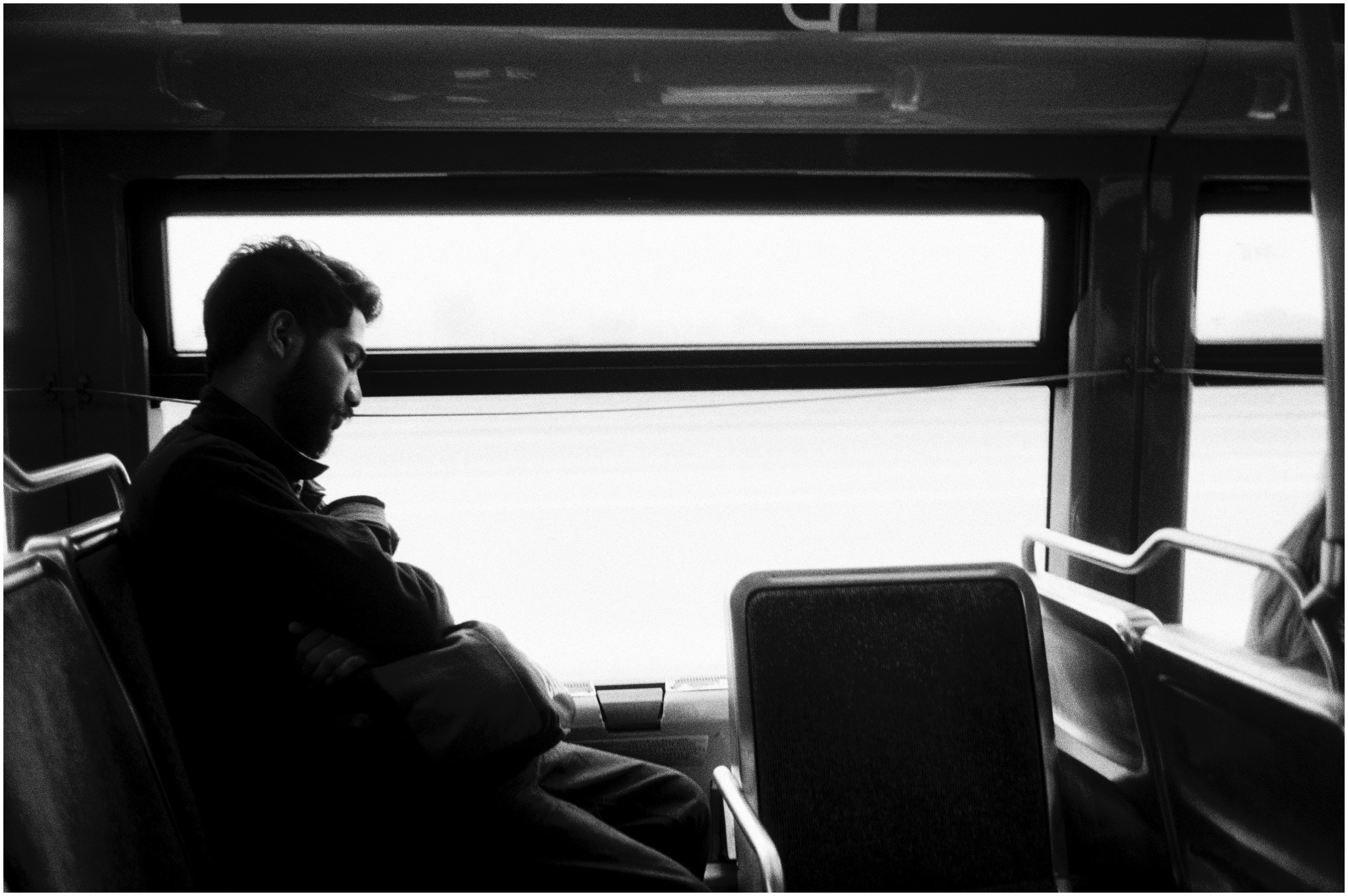
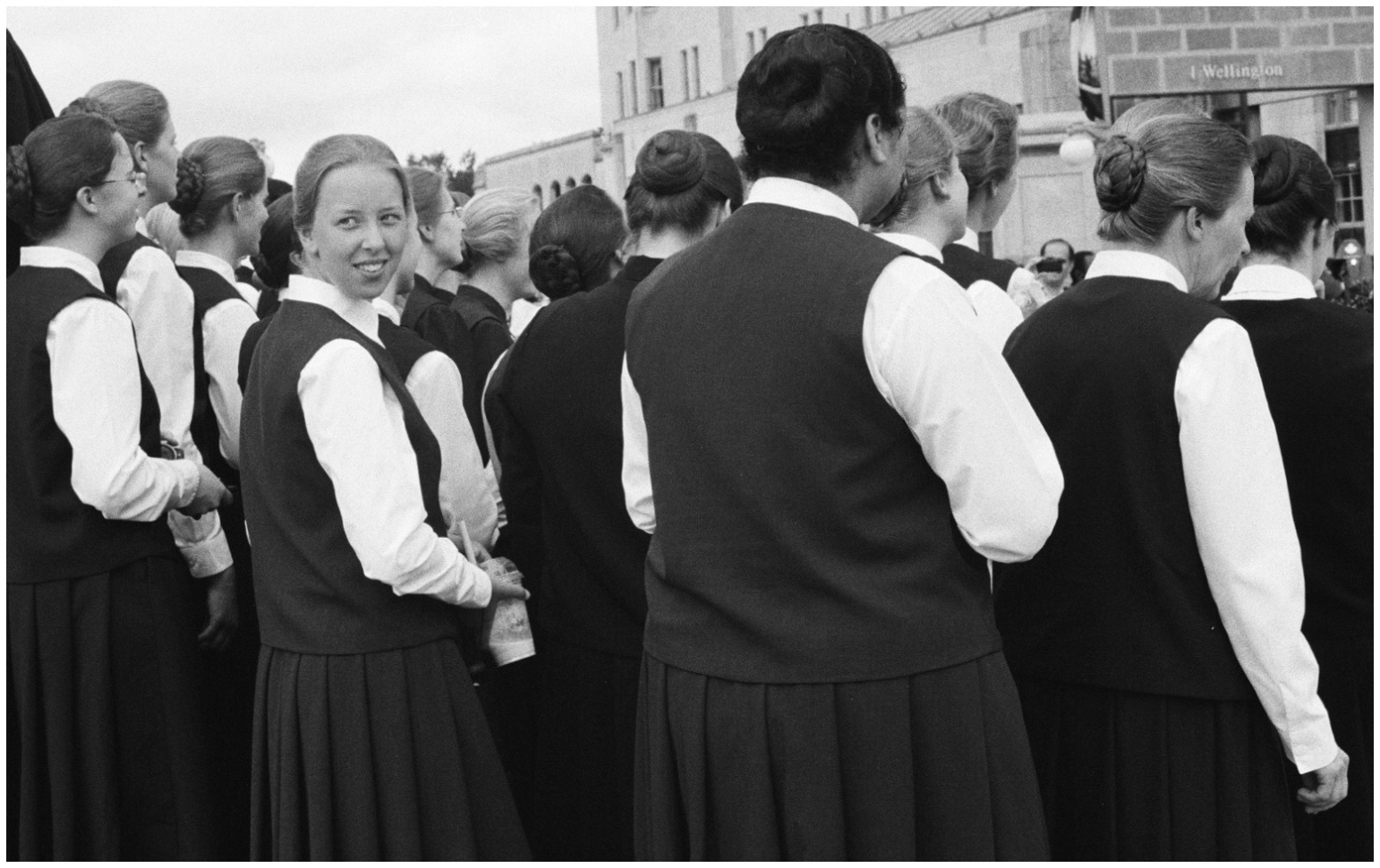
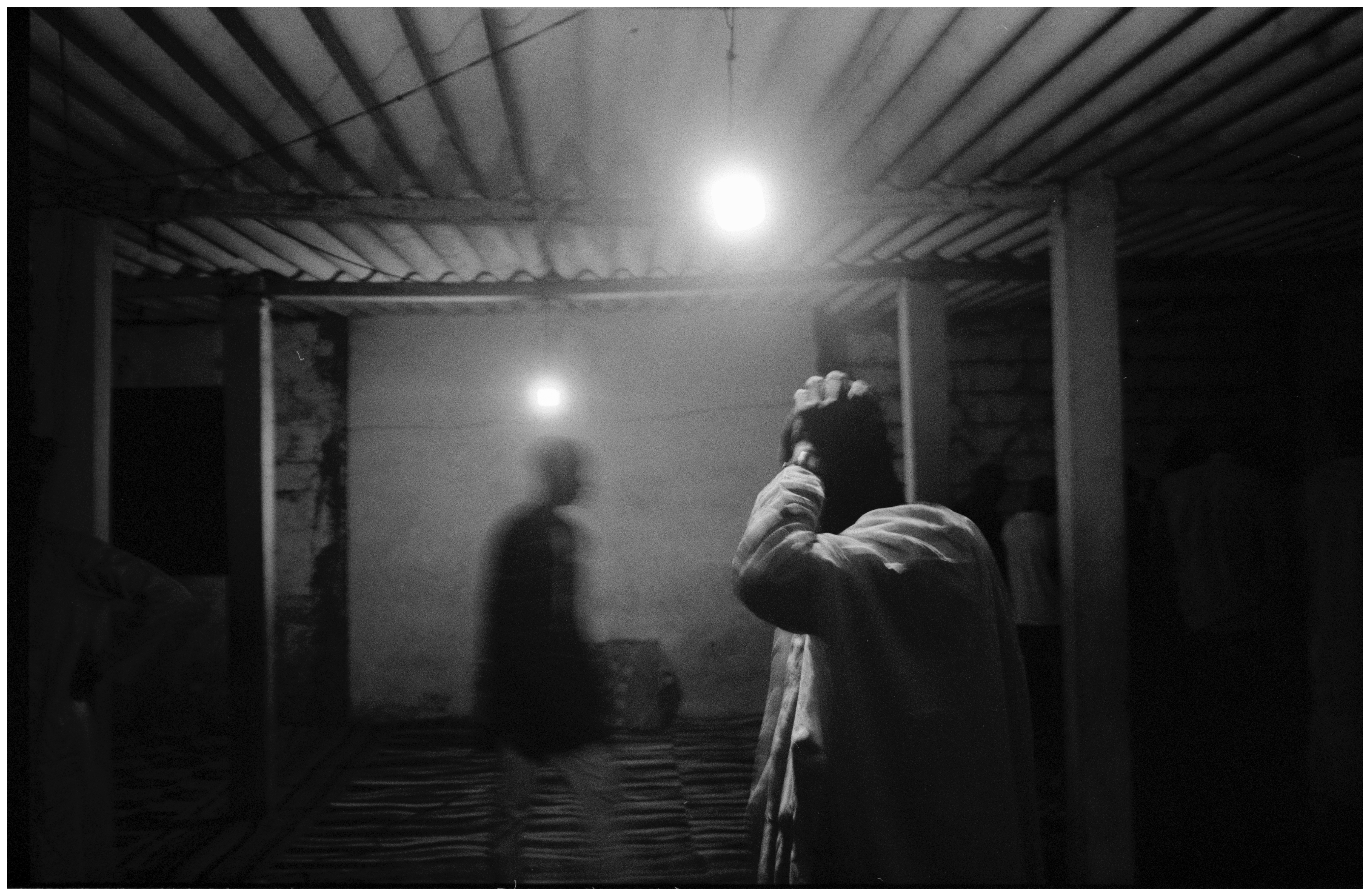
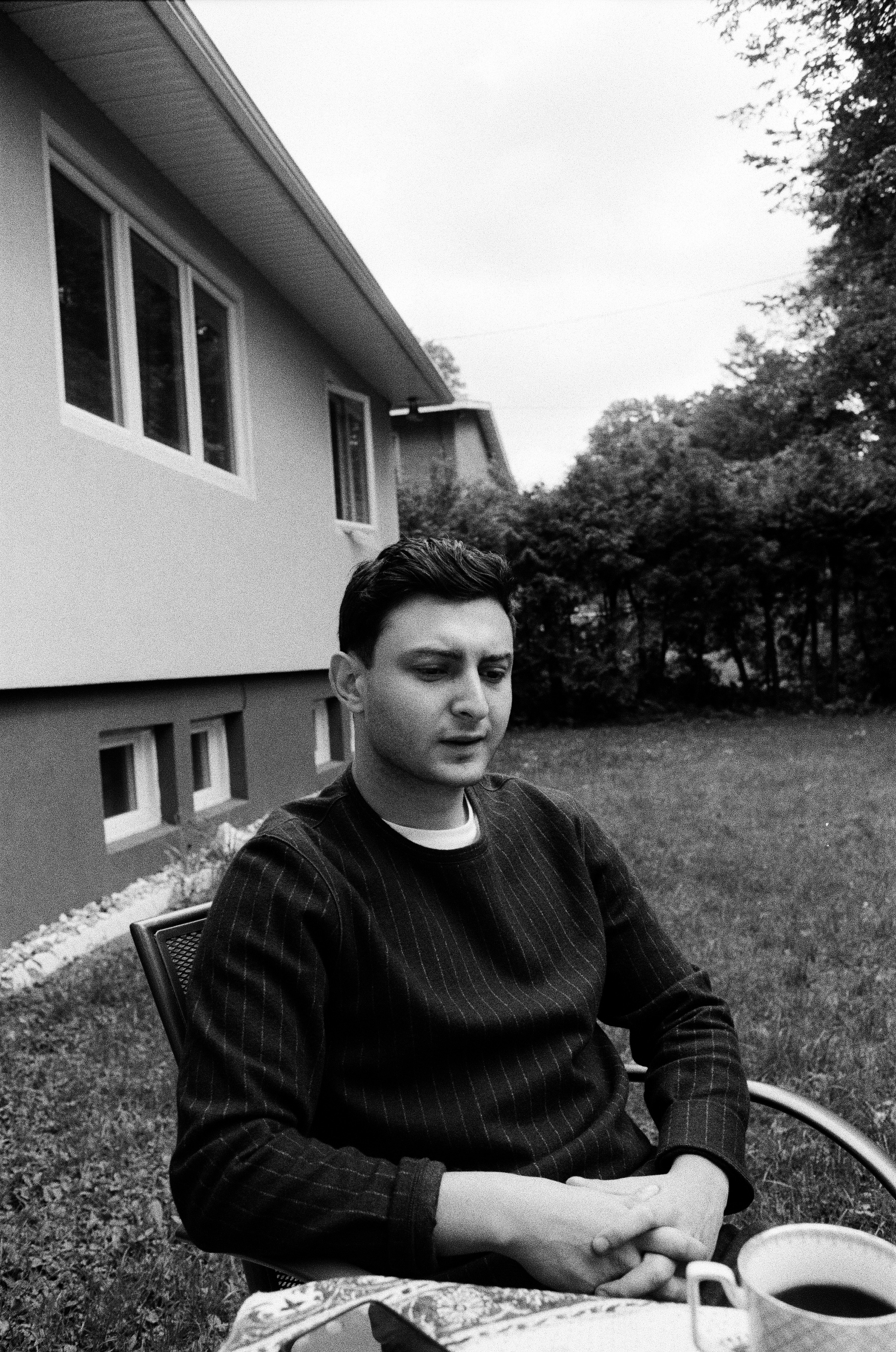
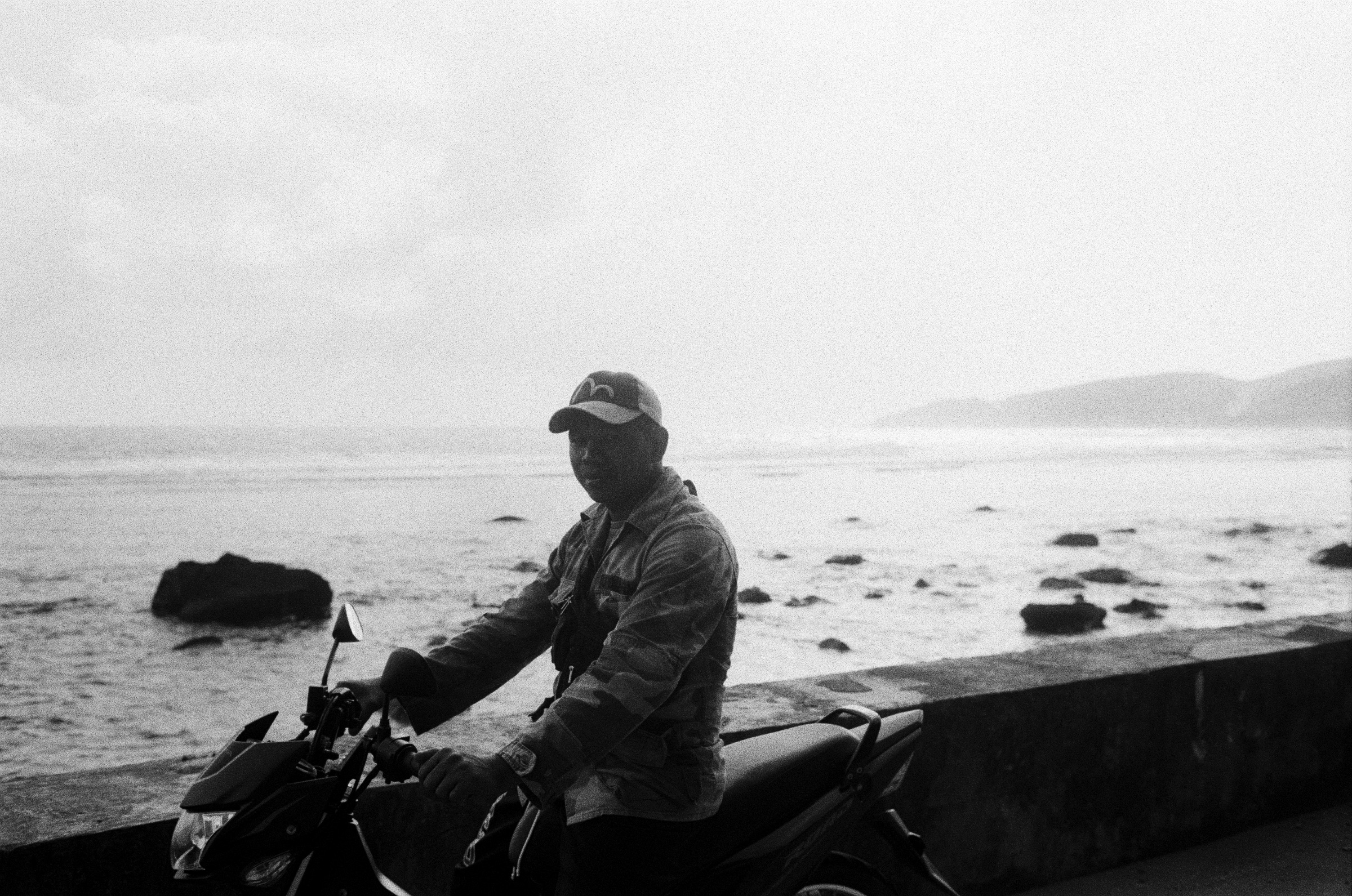
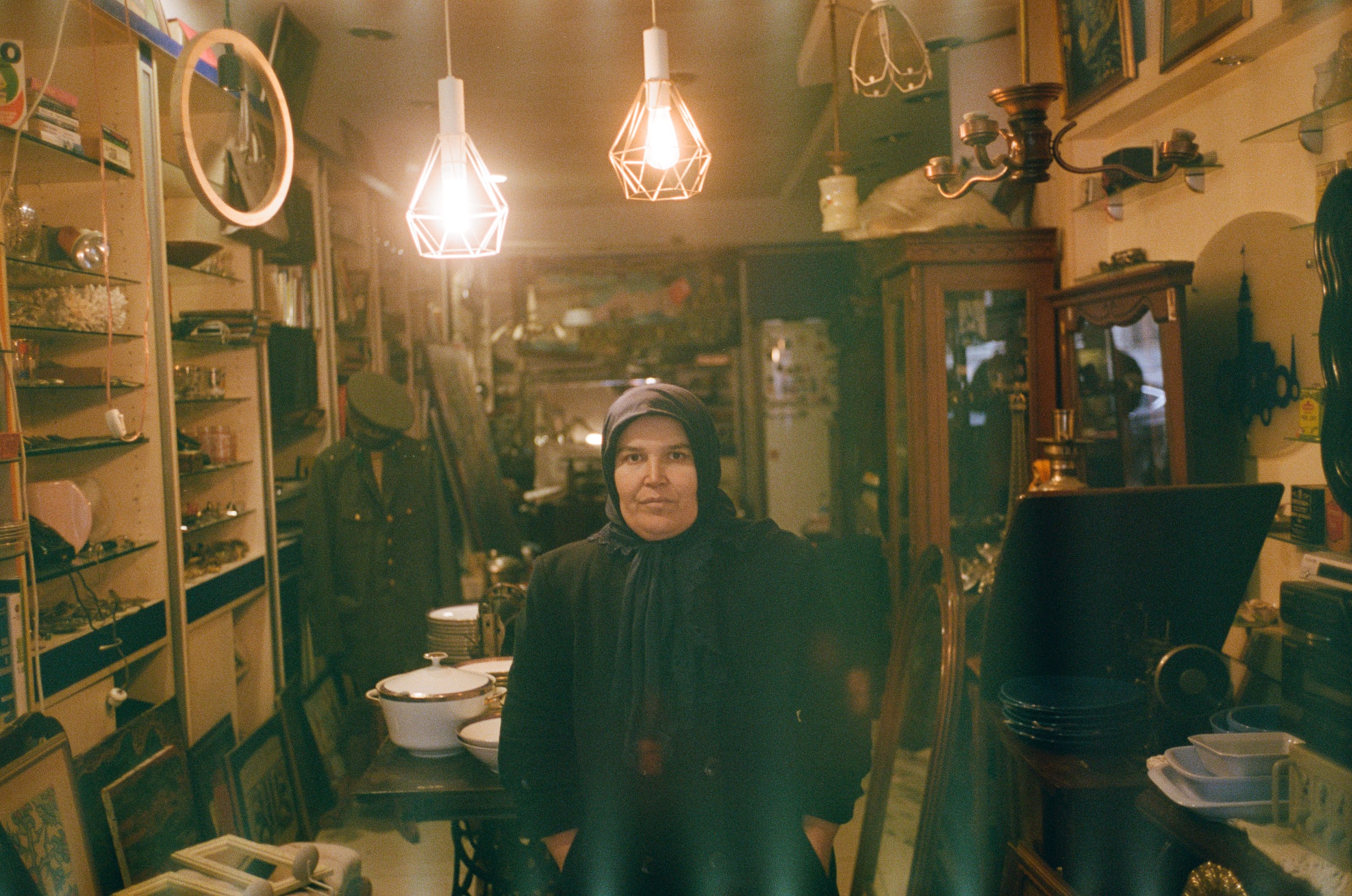
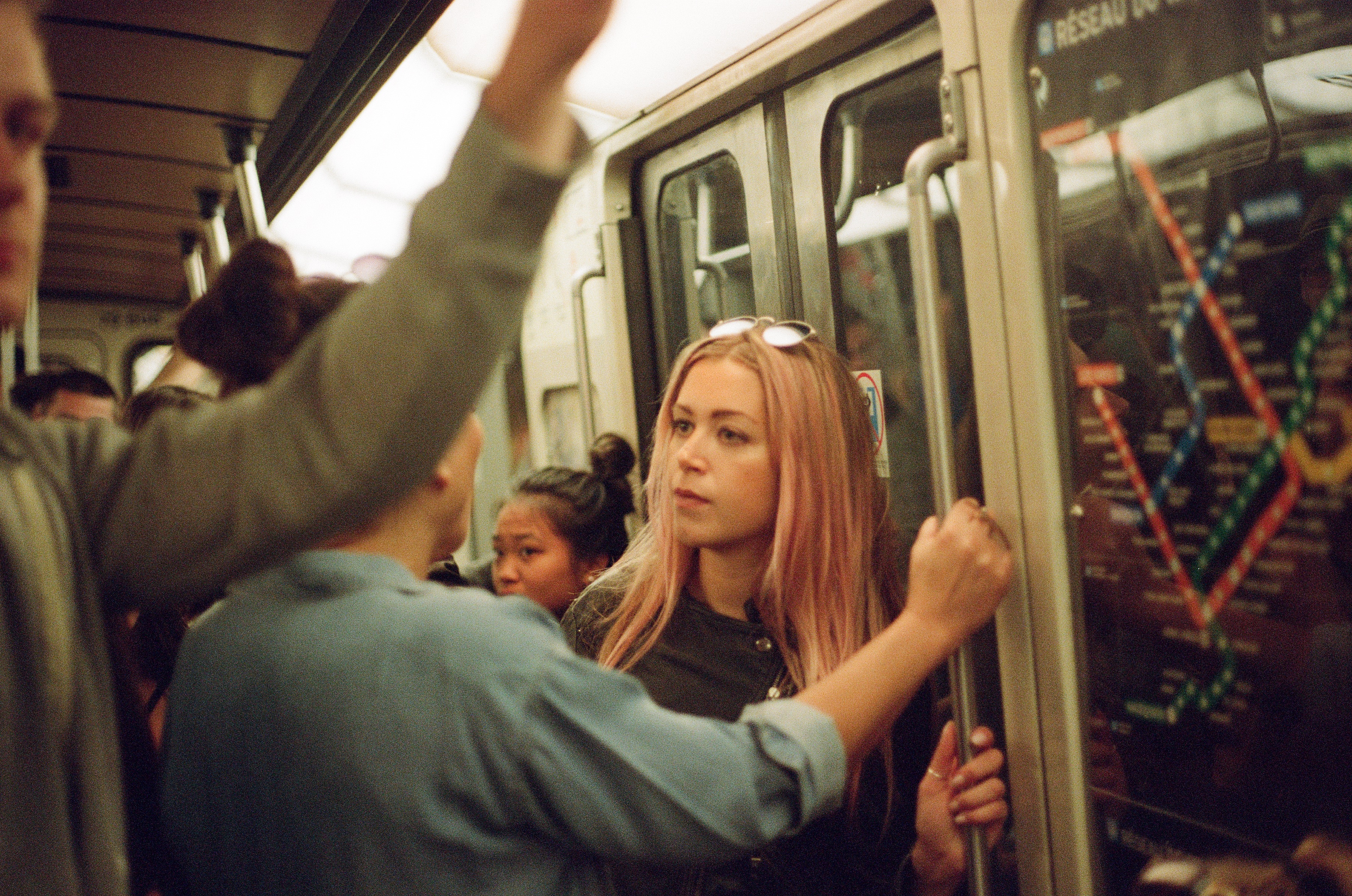
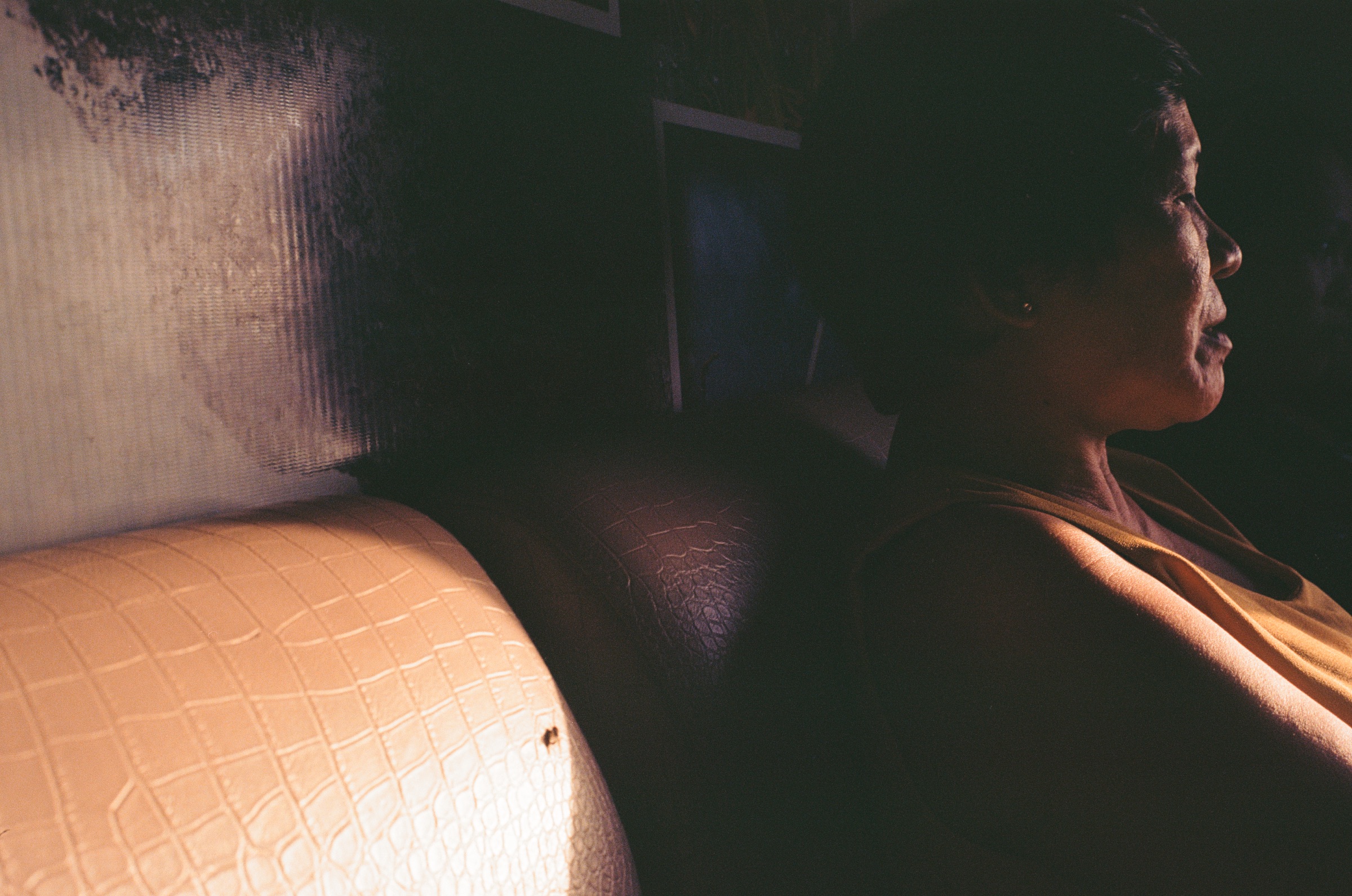
What follows is a small collection of some of the people I met exactly once, never saw again, and yet somehow remember with remarkable clarity.
As my Gen Z brother would say:
"Shooters shoot 🔫"